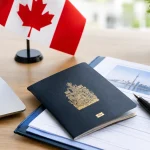

When parents want more than a short visit, a regular visitor visa often feels too limited. The super visa for parents Canada offers a practical way for families to spend meaningful time together without immediately moving into permanent residence processing. For many families, that balance matters – longer stays, fewer renewals, and a clearer plan for visits that actually feel like family life.
What is the super visa for parents Canada?
A super visa is a long-term temporary resident visa designed for parents and grandparents of Canadian citizens and permanent residents. It allows eligible family members to travel to Canada multiple times over a longer validity period, with the possibility of staying for extended periods during each visit.
That is what makes it different from a standard visitor visa. A regular visitor visa may still allow travel, but it usually does not give the same length of authorized stay. If your goal is to have your parents with you for months rather than just a short visit, the super visa is often the better fit.
This option works especially well for families who are not ready to pursue permanent sponsorship right away, or who want a solution while planning their longer-term immigration strategy. It is also useful when parents want flexibility – they can visit for an extended period, return home, and come back again if the visa remains valid.
Who can apply?
The program is specifically for parents and grandparents of Canadian citizens and permanent residents. That family relationship must be clearly documented. If the applicant is another relative, such as a sibling, aunt, uncle, or cousin, this route does not apply.
The child or grandchild in Canada must meet certain requirements as the host. In most cases, they need to show that they live in Canada and have enough income to support the visit. They also need to provide a written commitment to support the parent or grandparent during their stay.
Eligibility is not just about family ties. Officers also look at the full picture, including the applicant’s travel history, financial situation, purpose of visit, ties to their home country, and whether they appear likely to respect the terms of temporary entry. This is where many people get caught off guard. Being eligible on paper is not always enough if the application does not clearly answer the officer’s concerns.
Key requirements you should prepare for
A strong super visa application usually depends on a few core documents. First, the applicant must prove the relationship to the child or grandchild in Canada. Birth certificates, passports, and family records are often part of this.
Second, the host in Canada must show status documents, such as proof of citizenship or permanent residence, along with income evidence. This can include tax documents, employment letters, pay stubs, or other financial records that help show the host meets the required income threshold.
Third, medical insurance is a major part of the process. The applicant generally needs private medical insurance that meets the program requirements. This is not a minor box to check. Insurance that does not meet the exact terms can create problems, even if everything else looks strong.
The applicant may also need to complete an immigration medical exam. Depending on the country of residence and the details of the case, biometrics and other supporting records may be required as well.
Why some applications get refused
A refusal does not always mean the family relationship was doubted. Often, the issue is that the officer was not satisfied the applicant would leave Canada at the end of the authorized stay. That concern can come from weak financial evidence, limited ties to the home country, poor travel history, or inconsistent documents.
Another common problem is incomplete insurance documentation or income proof from the Canadian host that does not clearly meet the threshold. Small errors matter here. A missing page, outdated letter, unclear bank statement, or mismatch between forms and supporting documents can weaken the file fast.
There is also a credibility issue in some cases. If the application says the visit is temporary but the supporting documents suggest a hidden plan to remain in Canada permanently, the officer may question the true purpose of travel. Families should be careful not to overstate or confuse their intentions.
Super visa vs. visitor visa
Families often ask whether they should apply for a visitor visa first because it looks simpler. Sometimes that makes sense, but often it creates the wrong strategy.
If the real goal is for parents to stay for an extended period and spend substantial time with children and grandchildren in Canada, the super visa is usually more aligned with that purpose. It is built for longer family visits. A standard visitor visa may still be approved, but it may not provide the same level of flexibility or length of stay.
That said, the best option depends on the family’s facts. If the parent only wants a short trip for a wedding, holiday, or birth of a grandchild, a visitor visa may be sufficient. If the plan is recurring or long-term visits, a super visa is generally worth serious consideration.
How to make the application stronger
A good application does more than collect documents. It tells a clear, believable story.
The relationship should be easy to follow. The host’s status in Canada should be obvious. Income should be documented with current, readable records. The insurance policy should match the program’s requirements without gaps or vague wording. Most importantly, the applicant’s personal situation should be presented honestly and clearly.
If the parent has strong ties back home, show them. Property ownership, pension records, family responsibilities, ongoing work, community connections, or financial commitments can help support temporary intent. If the applicant has a positive travel history, that can also help reassure the officer.
Where families run into trouble is assuming the officer will connect the dots on their own. They may not. A carefully prepared file makes those connections clear from the start.
Processing times and practical expectations
Processing times can vary based on the applicant’s country of residence, visa office workload, biometrics scheduling, medical review, and overall case complexity. That means no consultant should promise a fixed approval date.
What families can do is reduce avoidable delay. Submit a complete application. Make sure forms are current. Keep names, dates, addresses, and passport details consistent across every document. Double-check translations and supporting records. Respond quickly if additional documents are requested.
It also helps to plan around real-life timing. If parents hope to visit for a birth, school event, family celebration, or seasonal stay, the application should be prepared well in advance. Last-minute filings create pressure that often leads to mistakes.
If there was a previous refusal
A prior refusal does not automatically end the chances of approval. It does mean the next application needs more care.
The first step is understanding why the refusal happened. In many cases, families reapply with the same weak evidence and hope for a different result. That rarely works. The better approach is to identify the officer’s concerns and address them directly with stronger documents, better explanations, or a different strategy if needed.
This is especially important when refusal reasons mention temporary intent, finances, travel history, or family ties. Those are not issues to gloss over. They need a thoughtful response.
For families dealing with a complex case, professional support can make the process far less stressful. At Jenish Immigration, that means helping families prepare the application correctly, reduce avoidable risk, and move forward with confidence.
Is the super visa the right choice for your family?
For many families, yes. It offers a practical middle ground between short visits and permanent immigration. Parents can spend real time in Canada, support family milestones, and enjoy a closer connection with children and grandchildren without rushing into a sponsorship pathway.
Still, it is not automatic, and it is not one-size-fits-all. Some families are better suited for a visitor visa. Others may need to think about family sponsorship or another longer-term option. The right answer depends on timing, purpose, finances, and how strong the documentation is.
A well-prepared super visa application can bring families together in a way that feels stable and manageable. If you are considering this path, the smartest next step is to treat it like an important legal process, not just a form submission. A little care at the start can save months of delay and a great deal of worry later.