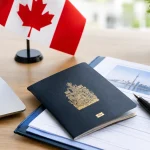

A study permit expiry date can arrive faster than expected, especially when your program changes, a co-op term is added, or you need extra time to finish your studies. Knowing how to extend study permit status before it expires helps you keep studying legally and avoid an expensive interruption to your plans in Canada.
The safest approach is simple: review your permit early, confirm how much time you still need, and submit a complete extension application before the expiry date printed on your current study permit. A well-prepared application gives you the best chance to continue your education without unnecessary stress.
When Should You Extend Your Study Permit?
You should apply for a study permit extension when your current permit will expire before you complete your program. This can happen because your program is longer than expected, you changed schools or programs, you took an approved break, repeated courses, or added a prerequisite or co-op component.
Do not wait until your final semester to check. Review the permit date as soon as you receive it and again before each academic year. Canada recommends applying well before expiry, and allowing several months gives you time to gather documents, respond to requests, and correct issues if necessary.
If you apply before your permit expires, you may usually remain in Canada under maintained status while Immigration, Refugees and Citizenship Canada processes your application. In many cases, this allows you to continue studying under the same conditions as your existing permit. You should keep proof that your application was submitted, including the confirmation page and payment receipt.
Your passport also matters. A study permit generally cannot be issued beyond your passport validity date. If your passport will expire soon, renew it first if possible. Otherwise, you may receive a shorter extension and need to apply again later.
How to Extend Study Permit Status in Canada
Most students apply online through the IRCC application system. Before starting, make sure you understand your current school status, program timeline, and financial situation. The application is not just a request for more time. It is your opportunity to show that you remain a genuine student who is following the conditions of your stay.
Begin by gathering your documents and reviewing every answer carefully. Small inconsistencies between your application, school records, and bank documents can create delays or questions.
Get an Updated Letter From Your School
You will generally need a current enrollment letter from your designated learning institution, often called a DLI. This letter should confirm that you are enrolled and provide details about your program, expected completion date, and student status.
Academic transcripts are also commonly important. They help demonstrate that you have been actively pursuing your studies. If your transcript shows gaps, reduced course loads, withdrawals, or academic challenges, address the circumstances honestly and clearly. A concise explanation with supporting evidence can be far more helpful than leaving an officer to make assumptions.
If you have changed institutions, programs, or levels of study, provide documents that make the transition easy to understand. Include relevant acceptance letters, transfer information, and a clear explanation of why the change supports your educational goals.
Show You Can Support Yourself
You must show that you have enough money to pay tuition, living expenses, and transportation costs without relying on unauthorized work. Your evidence may include recent bank statements, proof of tuition payments, scholarship letters, education loan documents, guaranteed investment certificate records, or financial support from a parent, spouse, or other sponsor.
If someone is supporting you, include evidence of your relationship to that person, a signed support letter, and documents showing they have the financial capacity to help. Large deposits that appear suddenly in an account can raise questions, so explain where the money came from and provide records where available.
The amount you need depends on your situation, where you study, your family size, tuition costs, and current government requirements. Financial thresholds can change, so do not rely on outdated figures from social media or an old application.
Complete the Online Application Carefully
When you apply, you will answer questions about your identity, education, immigration history, work, travel, and family. Be consistent with prior visa and permit applications. If you were previously refused a Canadian visa or permit, disclose it accurately and explain any meaningful change in your circumstances.
You may need to upload a digital photo, passport pages, your current study permit, school documents, proof of funds, and a letter of explanation. Depending on your history and the instructions you receive, you may also need to provide biometrics, complete a medical exam, or submit additional documents.
Pay the required government fee through the online system and submit the application before your current permit expires. Save copies of everything you upload. Your records may be useful later for a work permit, visitor visa application, or permanent residence pathway.
A Letter of Explanation Can Strengthen Your Application
A letter of explanation is not an excuse letter. It is a practical way to give your application context. It should explain why you need more time, confirm your expected program completion date, and address anything an officer may reasonably question.
For example, you may need to explain a program extension caused by a co-op placement, medical issue, course availability, transfer, or academic delay. Keep the letter direct, factual, and supported by documents. Avoid emotional language, blame, or claims that cannot be verified.
If you plan to pursue a post-graduation work permit after finishing school, your study history can matter. Maintaining compliance with study permit conditions throughout your program is important. If you are uncertain whether a break in studies, part-time enrollment, or school change could affect your future options, get advice before applying.
Common Mistakes That Put Student Status at Risk
Many extension issues are avoidable. The most serious mistake is applying after the study permit has expired. If that happens, you may need to apply for restoration of status within the permitted timeframe, pay additional fees, and stop studying until your status is restored. Restoration is not automatic, and approval is never guaranteed.
Other frequent problems include submitting outdated enrollment letters, providing weak proof of funds, failing to explain academic gaps, using documents that conflict with one another, or assuming a visitor visa and study permit are the same thing.
They are different documents. A study permit gives you authorization to study in Canada. A temporary resident visa or electronic travel authorization may be needed to travel back to Canada after a trip abroad, depending on your citizenship and circumstances. Extending your study permit does not always mean you automatically have a valid document for re-entry.
Students should also be careful about working. Your ability to work on or off campus depends on the conditions of your permit and your eligibility. Do not assume that maintained status, a school break, or a change in enrollment automatically allows you to work under the same terms. Review your permit conditions and seek professional guidance if your situation is unusual.
If Your Permit Is Already Expired
Act quickly, but do not continue studying or working simply because you plan to submit an application. In many cases, a student whose permit has expired may need to apply to restore temporary resident status and obtain a new study permit. The rules, deadlines, and ability to resume studies depend on the facts of the case.
An expired permit does not mean your Canadian education plans are over. It does mean the file needs careful attention. A rushed application with missing explanations can make a difficult situation harder.
Jenish Immigration can assess your study permit timeline, review your documents, and help present a clear application that reflects your real academic plan. The goal is not only to submit forms, but to protect the status you have worked hard to build.
Your permit extension is one step in a larger Canadian journey. Start early, keep your records organized, and ask for support before a deadline becomes a problem. With the right preparation, you can focus on completing your studies and planning what comes next with confidence.